

Emergency Plumbing and Electrical Help in Jacksonville
Quick Summary
Emergency plumbing in Jacksonville covers any water, drain, or gas problem that can cause property damage, injury, or health risks if not fixed quickly, such as burst pipes, sewage backups, or a gas smell. If water reaches outlets, fixtures, or the breaker panel, the situation is also an electrical emergency and needs immediate attention.
A gas smell requires leaving the building, then calling your gas provider or 911 from outside.
Locate your main water shutoff before an emergency and turn it clockwise until it stops.
Never step into standing water to reach a breaker panel; call for help instead.
For water main or meter problems, contact JEA using their official emergency number.
Ask any emergency provider for a license number and certificate of insurance before work begins.
Water or wiring problem right now?
TNT Repairs It is a licensed, insured team available 24/7 for plumbing and electrical emergencies.
Table of Contents
Emergency Plumbing and Electrical Help in Jacksonville
Last Updated: November 21, 2026
What Is Considered a Plumbing Emergency
An emergency plumbing situation is any water, drain, or gas problem that can cause property damage, injury, or a health risk if it is not fixed quickly. Burst pipes, a sewer backup, a water heater leaking into the floor, and a gas smell all qualify. A slow drip under the sink can usually wait until morning. A pipe spraying water across the kitchen cannot.
Water causes damage fast, and it spreads into walls, subfloors, and wiring. Waiting even a few hours can turn a simple repair into a much larger job.
Common plumbing emergencies include:
Burst or frozen pipes with water actively flowing
Sewage backing up into sinks, tubs, or floor drains
A water heater leaking or making a loud popping noise
A toilet that will not stop running or overflows
Any gas odor near a gas appliance or meter
Plumbing Leak Electrical Hazard: When Water Meets Wiring
Water and electricity are a dangerous mix. When a plumbing leak reaches outlets, junction boxes, a light fixture, or a breaker panel, it can energize metal parts and create a shock or fire risk. This is why a plumbing emergency in Jacksonville often becomes an electrical emergency too.
If you see water near any outlet, switch, or fixture, do not touch it. Stay on dry floor and avoid wet surfaces. Flipping the breaker for that area is a good first step if you can reach the panel without standing in water. If the panel itself is wet, call for help rather than going near it.
A plumbing leak that also affects wiring needs both trades on the job. When a leak affects both plumbing and wiring, a single provider that handles both trades can reduce the need to coordinate separate contractors while water is still spreading.
Immediate Safety Steps Before a Technician Arrives
What you do in the first ten minutes matters. Your goal is to stop the water, cut power to any wet area, and protect the people in the home. You do not need to fix the problem yourself.

!A homeowner in a Jacksonville kitchen standing calmly beside a water shutoff valve under the sink, with a flashlight in hand and a dry floor visible
Start with these steps:
Move people and pets away from the water.
Shut off the water supply at the main valve if the leak is serious.
Cut power to affected areas at the breaker if it is safe to reach.
Take photos of the damage for insurance.
Place towels, buckets, or a wet vacuum to limit spreading.
Shutting Off Water and Power Safely
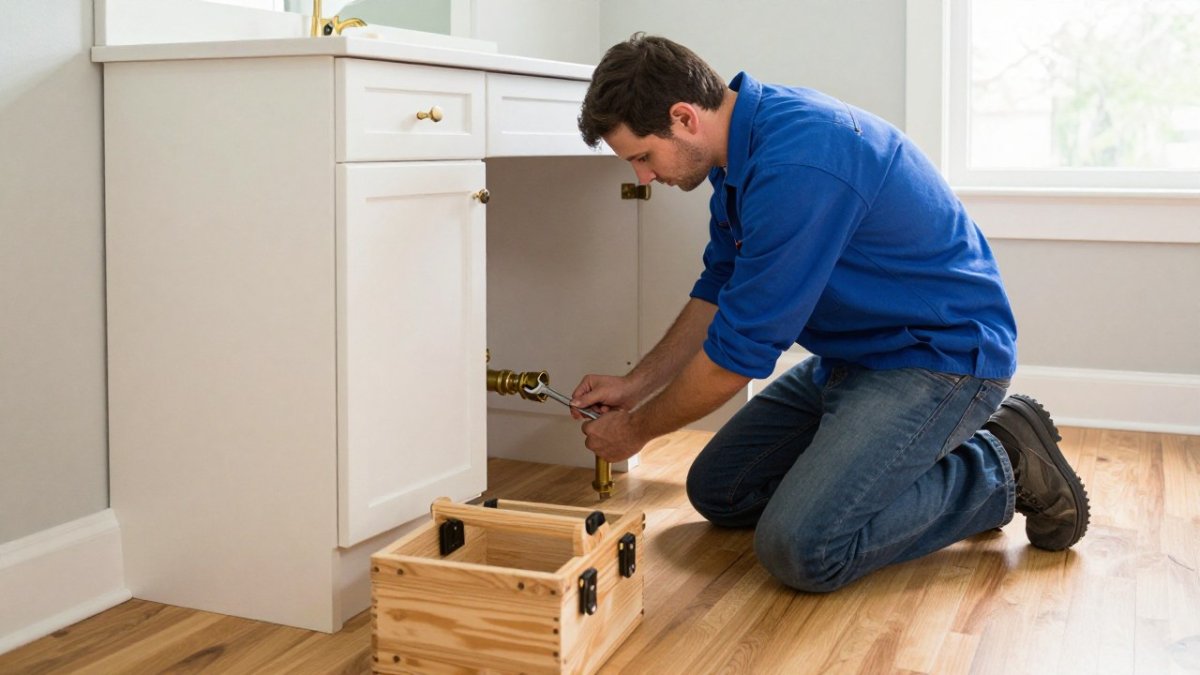
Locate your main water shutoff before an emergency happens. It is usually near where the water line enters the home, often in a garage, utility closet, or along an exterior wall. Turn it clockwise until it stops. Fixture valves under sinks and behind toilets can stop smaller leaks.
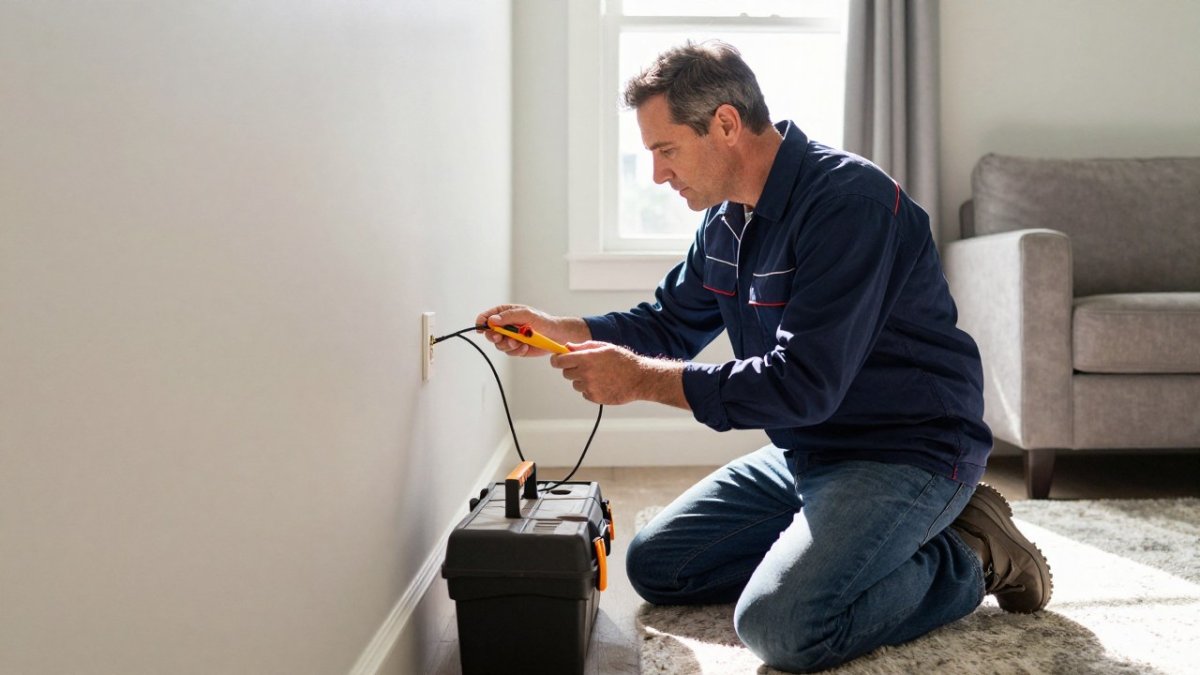
For power, find the breaker panel and look for the switch that controls the wet area. If you cannot identify it, shut off the main breaker only if you can reach it without standing in water. Never step into standing water to reach a panel. When in doubt, stay out and call.
Emergency Triage: Matching Symptoms to Urgency
Not every problem needs a technician in the next hour. Use this quick guide:
Symptom | Urgency | What to Do |
Active pipe burst or flooding | Immediate | Shut off main water, cut power to wet areas |
Sewage backing up into home | Immediate | Stop using all drains, call now |
Gas smell | Immediate | Leave the home, call your gas provider from outside |
Water near outlets or fixtures | Immediate | Cut power, stay on dry floor |
Water heater leaking heavily | Urgent | Shut off water and power to the heater |
Slow drip under a sink | Same day or next day | Close the fixture valve, place a bucket |
Running toilet without overflow | Non-urgent | Close the shutoff valve behind the toilet |
Our advice is simple. If anything involves a gas smell, electrical contact, or rapidly spreading water, act now. Everything else can usually wait for a scheduled visit.
JEA Emergency Number and Who to Call First
JEA is the utility that provides water, sewer, and electric service to much of Jacksonville. If you suspect a problem in a utility line, meter, or outdoor connection, contact JEA directly and check their official website for the current emergency number before you need it. Save it in your phone now.
Call the right party first:
Gas smell: Leave the building, then call your gas provider or 911 from outside.
Water main or meter problem: Contact JEA.
Inside-the-home plumbing or electrical damage: Call a licensed plumber or electrician.
Combined plumbing and electrical emergency: Call TNT Repairs It, which can coordinate both.
How to Find a Reliable 24/7 Home Repair Service
Most listings promise round-the-clock availability, but the quality of that response varies widely. A reliable emergency provider should be able to explain the after-hours process in plain terms, give you a realistic arrival window, and confirm licensing and insurance before anyone is dispatched. Because this query combines plumbing and electrical work, the strongest providers are the ones that can handle both trades or coordinate them without leaving you to manage two separate contractors mid-emergency.
Use this checklist when you call:
Licensing: Ask for the license number and confirm it with the state licensing board. Plumbing and electrical contractors often hold separate licenses, so a company that advertises both should be able to show credentials for each trade or name the licensed subcontractors it uses.
Insurance: Ask for a certificate of insurance showing general liability and workers' compensation coverage. If a technician is injured or damages your home, this is what protects you.
Written estimates: Request the estimate in writing before work begins, including what the diagnostic visit covers and whether the estimate is binding or a range.
Arrival windows: Ask for a realistic window, not just "soon." A dispatcher who can give you a time range and a callback number is more reliable than one who cannot.
Warranty: Ask how long the work is warranted and whether the warranty covers labor, parts, or both.
Reviews: Read recent local reviews and look for patterns in complaints, not just star ratings. A handful of detailed reviews about punctuality and cleanup tells you more than dozens of one-line ratings.
Watch out: A company that cannot produce a license number or certificate of insurance on request is not a safe choice for emergency work, no matter how fast it promises to arrive.
When you compare providers, also ask how they handle the plumbing-electrical overlap. If water has reached outlets or a panel, the job needs both trades, and a provider that can coordinate them in one visit reduces the risk of a second crew arriving days later. Licensing and insurance information should be available for homeowners to verify before work starts, and the after-hours process should be explained up front so you know what to expect.
Understanding Emergency Pricing and Fee Expectations
Emergency work usually costs more than scheduled work because it requires immediate dispatch, after-hours labor, and sometimes urgent parts. The problem is that most service pages hide behind "call for a quote," which leaves you guessing while water is spreading. You do not need a published price list to protect yourself, but you do need to understand how the charges are built so you can ask the right questions before anyone starts work.
Emergency bills often combine several components:
Dispatch or call-out fee: A flat charge for sending a technician after hours. Ask whether it is waived if you approve the repair.
Diagnostic fee: What the company charges to identify the problem. Ask whether it is credited toward the repair if you proceed.
Labor rate: Whether it is billed hourly or by the job, and whether the after-hours rate is higher than the standard rate.
Parts and materials: How they are priced, whether there is a markup, and whether you can supply your own parts.
Permits: Some repairs require a permit, and the fee is usually passed through. Ask who pulls the permit and who pays for it.
A fair provider explains these components before starting work, not after the invoice arrives. Ask for the estimate in writing and confirm whether it is binding or a range. If the scope changes once the technician is on site, you should get a revised estimate before additional work begins.
Watch out: Be cautious of any provider that will not discuss fees before dispatch or that pressures you to approve work without a written estimate. Under pressure, it is easy to agree to charges you would not accept in daylight.
For current emergency rates or a quote, contact TNT Repairs It directly. The final cost depends on the specific problem, the parts required, and the time of day, and written estimates explained in plain language help you know what you are paying for before work starts.
Booking Your Emergency Repair With TNT Repairs It
When water is spreading or wiring is wet, you need a team that can respond quickly and handle both plumbing and electrical work in one visit. TNT Repairs It is a licensed and insured local repair company serving Jacksonville homeowners, landlords, and property managers. Emergency contact is available 24/7, and the team stays with the project so the job keeps moving.
Each step is explained in simple terms. Call TNT Repairs It now to get a technician on the way, or reach out for help planning a repair that prevents the next emergency.
Frequently Asked Questions
How much does emergency plumbing repair cost?
Emergency plumbing pricing depends on the type of problem, the time of day, the parts required, and how much work the repair involves. Because every job is different, the most reliable way to understand the cost is to ask for an estimate before work begins. TNT Repairs It provides easy-to-understand estimates and invoices so you know exactly what you are paying for. For current pricing or to request a quote, contact TNT Repairs It directly.
What would be considered a plumbing emergency?
A plumbing emergency is any problem that causes or risks serious water damage, a loss of essential service, or a safety hazard. Burst pipes, major leaks, sewer backups, and a water heater that is leaking or no longer heating are common examples. If water is near electrical outlets or fixtures, treat the situation as urgent right away. Problems that are slow and manageable can usually wait for a scheduled visit.
How can I tell whether a 24/7 home repair service is reliable?
Check that the contractor is licensed and insured, read recent customer reviews, and ask for references. Confirm whether the business answers calls after hours and what the response expectations are before you need them. A reliable provider will explain the work and the price in plain language and stay with the job through completion. Be cautious of any company that cannot answer these questions clearly.
Can a plumbing leak cause an electrical hazard?
Yes. Water that reaches outlets, switches, breaker panels, or wiring can create shock and fire risks. If you notice water near electrical components, flickering lights, buzzing outlets, or a burning smell, turn off power at the breaker only if you can do so safely, and call a licensed professional. Do not touch wet electrical equipment with wet hands.

Comments